

Inside the AI GTM Hiring Crunch: A Kleiner Perkins Talent Leaders’ Guide to How Founders Win in Hypergrowth Mode
Insights from Lindsey Keller, GTM Talent Leader at Kleiner Perkins
Lindsey Keller connects top GTM talent (from IC to C-suite) with Kleiner Perkins' portfolio companies. She sat down with ModelExpand CEO Paria Rajai to discuss what she’s seeing in the market during one of the busiest months in startup hiring we’ve seen in a while. In the interview, she breaks down why GTM hiring is uniquely high-stakes in AI right now, how top founders are structuring their early GTM teams, and the missteps she sees even seasoned operators make in their hiring approach. Drawing on recent trends, Lindsey shares the market signals, role priorities, and hiring mindset shifts that every AI company should be tracking.
Lindsey puts it plainly: There are two main levers to building a billion-dollar company:
1️⃣ A product that solves a real problem.
2️⃣ A team capable of taking it to the moon.
Drawing on her years shaping go-to-market teams for some of the most recognized names in tech, Lindsey observes that most AI founders still over-index on the first lever and underestimate the second.
“If you’re not spending half your week recruiting,” she said, “you’re not building a billion-dollar company.”
Why the AI GTM hiring crunch is “crunchier” than typical high-growth startups

Today’s AI startups are sprinting. Rounds are closing in months, valuations are skyrocketing, and founders are scaling faster than their operations can handle.
The hiring pressure in AI startups isn’t your typical hypergrowth crunch. This wave feels different: new GTM roles are blending technical and commercial skills more deeply (like Forward Deployed Engineers), forcing teams to get creative in how they source and assess talent. Add with big tech throwing out record-breaking salaries, suddenly AI startups have to rethink comp, equity, and what makes their culture magnetic. All that to say, the real differentiator isn’t just the tech, it’s the culture of hiring that fuels it.
“Snowflake and MongoDB built cultures where recruiting is a team sport,” Lindsey noted. “Even AEs are expected to spend time each week helping source and refer great people.”
To many founders with technical backgrounds, building a standout product comes naturally. But even the strongest idea can stall without a team capable of executing, scaling, and sustaining growth. The second lever - building the right talent - is what separates startups that keep their momentum from those that lose it.
In the interview, Lindsey shares how founders can build GTM teams that not only deliver today but also build the foundation for long-term success.
Prioritize Early GTM Leaders Who Start Doing, Then Start Building
Your first GTM hires shape not just pipeline, but culture. Lindsey looks for two traits that matter more than any resume bullet points: grit and recruiting instinct.
“You want leaders who aren’t above the work,” she said. “The ones willing to roll up their sleeves, do the job, and build the team behind them.”
These aren’t “player-coaches” trying to juggle selling and scaling forever—they’re sequenced builders: people who can execute hands-on early, and hire and delegate as the company matures.

Her go-to questions when evaluating whether someone has that hiring muscle:
Who would you recruit first if you took this job?
What’s the best hire you’ve ever made?
How much time do you personally spend recruiting each week?
How do you hold your team accountable for recruiting?
“The best GTM leaders hire their own sales managers,” Lindsey said, “and then those managers hire the AEs. That’s how you multiply capacity fast when you’re still small.”
At the early stage, hire leaders who can do the work now, and build themselves out of the job.
Avoid Falling for the Player-Coach Trap
Lindsey and her colleagues keep seeing a common pitfall across AI startups in GTM hiring: the rise of the player-coach role, a single person expected to both hit quota and build the function.
“A lot of companies want to hire someone who can be both the AE closing deals and the GTM lead running the org,” Lindsey said. “From our perspective, it just doesn’t work.”
The intention is right. Founders want people who can execute and eventually scale, but the sequencing is wrong. Founders often conflate builders (who start in the work and evolve upward) with player-coaches (who are told to do both jobs indefinitely).

“You’re either selling and hitting your number, or you’re leading: coaching AEs, recruiting, and building the team. Both are full-time jobs.”
Her guidance:
If you need revenue, hire a seller.
If you need scale, hire a leader.
If you combine both, everything slows down.
Focus on FDEs as the New Power Players in GTM
AI companies are redefining what “go-to-market” means.
“We might not need a 50-person sales org anymore,” Lindsey said. “We need 20 high-impact reps with a really good tool stack.”
She’s seeing Forward Deployed Engineers emerge as the new power players: technical enough to ship code, commercial enough to talk to customers. These hybrid profiles bridge the gap between engineering and sales, becoming the connective tissue of modern AI GTM teams.
The challenge is that finding this kind of talent takes time, precision, and creativity. These roles require a rare blend of technical depth and customer fluency, which means traditional profiles often fall short. At ModelExpand, we’re seeing this in real time as we help clients recruit FDEs—success depends on experimentation, tight alignment with hiring managers, and a deep understanding of what “right fit” actually looks like based on data, not vibes. For the companies willing to invest the time and resources in their hiring process and infrastructure, the payoff is getting great people on the team today versus several months from now.
“The cost of waiting for great talent is always higher than the upfront investment required to find it.”
Strategize around the Geography Crunch
As the market recenters, Lindsey Keller notes an important shift in hiring dynamics.
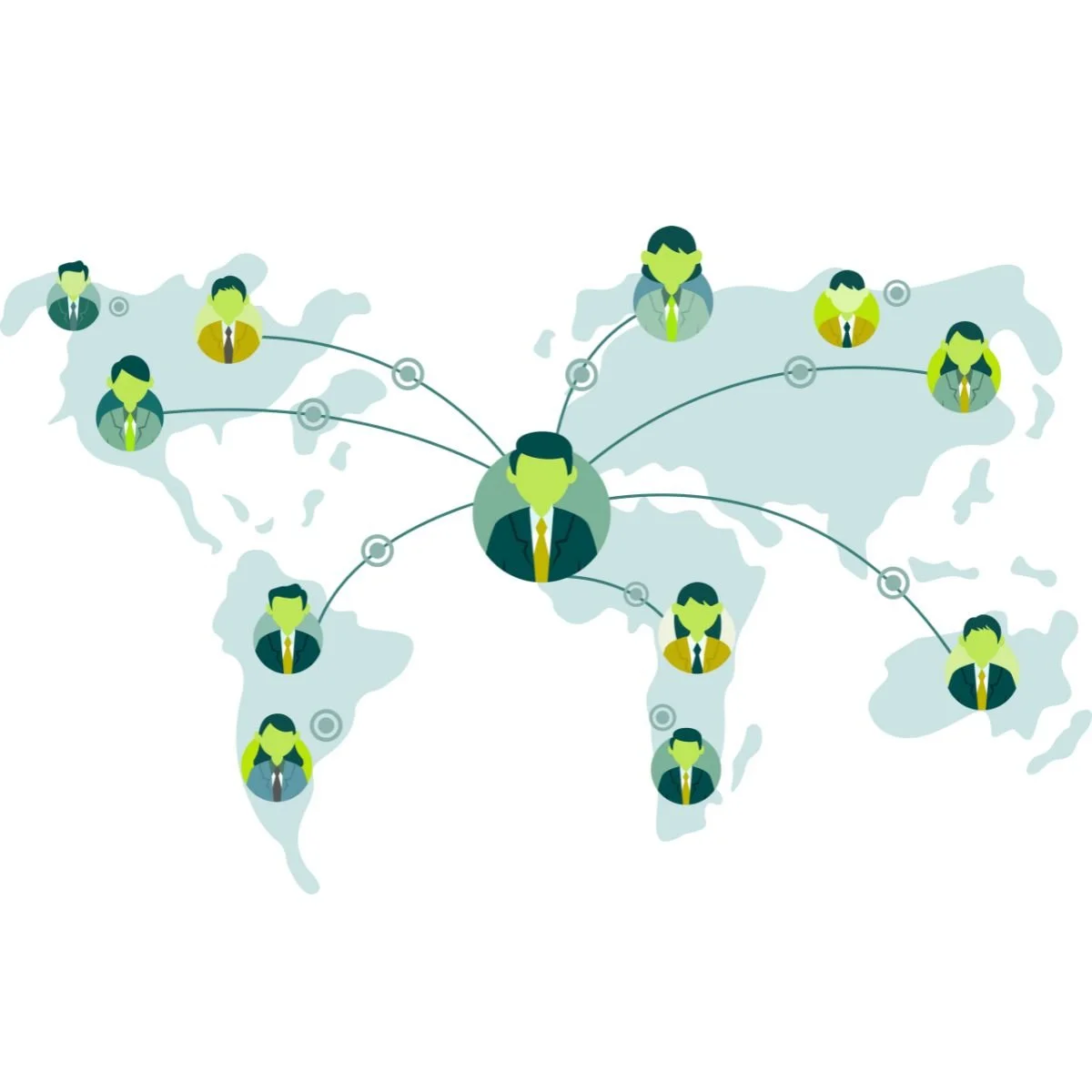
“The pendulum swung back,” she said. “Companies want people in the office again but the best candidates aren’t always in San Francisco or New York anymore.”
Many top operators have relocated to Austin, Denver, or fully remote hubs. That’s forcing founders to choose between flexibility and proximity.
“Do you want the best candidate,” she asked, “or the one with the right zip code?”
Lindsey predicts this tension will define the next year of AI hiring especially as geo-concentrated markets tighten. Founders and leadership teams will face a strategic decision: What do you want to optimize for: location or talent? Creative ways to keep the team connected can bridge the understandable desire to create team cohesion and morale without sacrificing getting the best talent on your teams.
Stay Structured in Hypergrowth
From Lindsey’s vantage point, another big hiring issue inside hypergrowth companies is conflating being scrappy and ambitious with what is ultimately disorganization.
Here’s how she advises founders to keep growth sustainable and execution sharp:

Slow down just enough to get organized.
Before opening a new role, clarify ownership, process, and what success looks like.Identify your P0s (Priority Zeros).
Start with the leaders who’ll build the rest of the team.
“If you need leaders for key functions, go for those first,” Lindsey said.Invest in recruiting before it becomes a bottleneck.
“When you’re in hypergrowth, it’s time to start spending the money you raised,” she said. “Hire internal or external hiring partners—whatever it takes to get the hiring process and team right.”Know your lane.
“As a leader, what are your superpowers and what are the things only you can be doing?”
Delegate or outsource the rest. Trying to do it all guarantees sloppy execution.Choose organization over chaos.
“If you don’t choose organization,” Lindsey said, “you just won’t win.”
Hypergrowth isn’t about just hiring faster, it’s about hiring smarter. The founders and leadership teams who take the time to prioritize and properly resource recruiting are the ones who sustain momentum long after others burn out. Sometimes that means bringing in a partner to help build structure or augment internal teams while growth is at its peak.
At ModelExpand, we’re seeing more founders turn to embedded recruiters and sourcers and invest in recruiting operations and strategy to help manage hiring at scale. It’s a model that’s enabled our clients to quickly strengthen their pipelines and expand headcount without losing focus or quality.
Why the Real AI Winners Will Be Few and Built Fast
Looking ahead, Lindsey Keller believes we are only seeing the start of this wave:
“We’re just at the beginning. AI will touch every category: legal, customer success, marketing, all of it. But it’ll consolidate. One or two dominant players per category will win. The advantage will go to whoever can build the strongest team, ship the best product, and move the fastest.”
The Takeaway
Lindsey’s point to AI startup founders and leadership teams is clear: the real race isn’t just about who builds the most advanced model. It’s about who can operationalize hiring as a core mandate. The companies that scale fastest are the ones that treat hiring with the same rigor and speed as product development.
“The companies that win, will be the ones that treat hiring as strategy, not as a to-do list.”
About ModelExpand
ModelExpand is a talent advisory firm that helps companies build a high-performing internal recruiting engine. We partner with your team to design the people, processes, and systems that drive consistent, faster, higher-quality hiring at scale. Contact us to learn more.
